2026 Alaska AI Solutions Consortium Workshop


Executive Summary
Information presented includes:
- A welcome from UAA Provost Denise Runge, followed by introductions from Advisory Board members highlighting AI-related activities at their respective organizations.
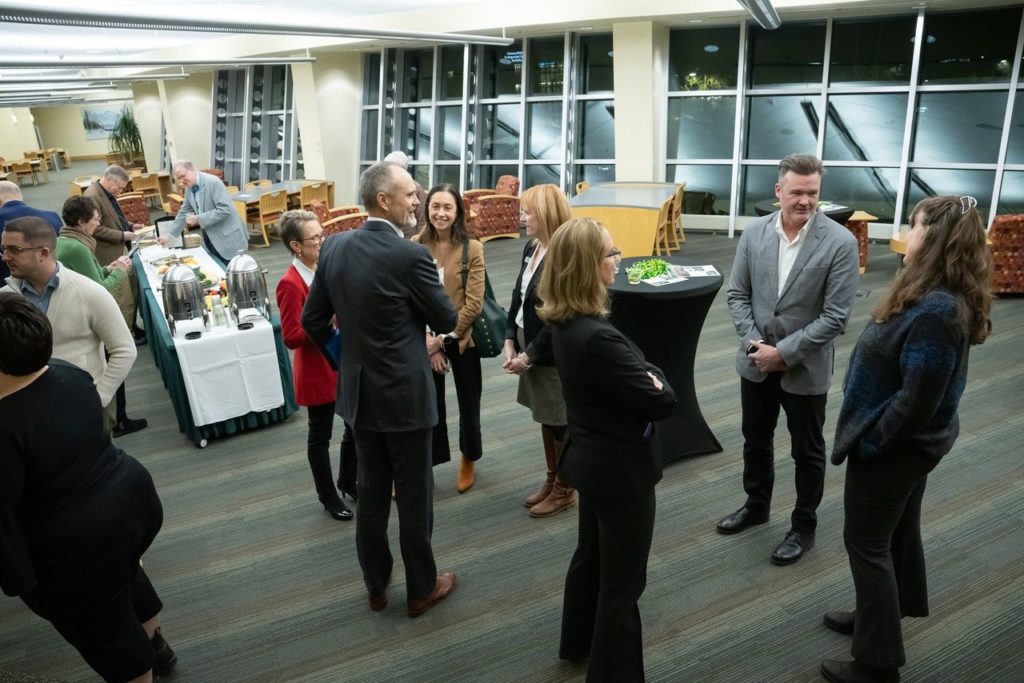
- A round-robin participant introduction and rapid-fire networking session, in which attendees each shared an AI-related project or community challenge of interest.
- An AISC Mini-Grant Showcase featuring the four 2025–2026 RAISE Mini-Grant recipients:
- Joy Mapaye — Strategic Artificial Intelligence: Pilot Testing the Effectiveness of AI SEO, GEO and AI Media Assets.Tested AI-driven search engine optimization (SEO), generative engine optimization (GEO), and AI-generated media assets to strengthen a public health traffic safety campaign in Fairview, in partnership with Fairness for Fairview, ANC Design Week, and the Center for Safe Alaskans.
- Joey Yang / Utsav Dutta — Predicting Thermal Conductivity of Warming Permafrost for Hazards Estimation Using Machine Learning. Modeled thaw strain in permafrost soils using multivariate geotechnical parameters to inform ground-settlement predictions for infrastructure planning (roads, pipelines, and surface structures) in a warming Arctic.
- Marie Lowe — ARCTIC: AI for Rural Community Transformation and Infrastructure Coordination. Partnered with the community of Alakanuk to conduct a community needs assessment addressing erosion, structure relocation, and utility upgrades tied to climate-driven infrastructure risk.
- Kristin Riall — Northstar Parents: AI-Assisted Behavioral Parent Training for Alaskan Families. Developed an AI chatbot, grounded in evidence-based behavior-analysis practice, to deliver in-the-moment coaching to parents of autistic children in rural areas lacking access to licensed behavior analysts, with built-in safeguards and escalation to human clinicians.
- Joy Mapaye — Strategic Artificial Intelligence: Pilot Testing the Effectiveness of AI SEO, GEO and AI Media Assets.Tested AI-driven search engine optimization (SEO), generative engine optimization (GEO), and AI-generated media assets to strengthen a public health traffic safety campaign in Fairview, in partnership with Fairness for Fairview, ANC Design Week, and the Center for Safe Alaskans.
- Presentations from current and former UAA students on applied AI research, including:
- Cat Warden — Advancing Research Administration through Generative AI: Evaluating Structured Prompting for Compliance Workflows
- Lars Goozen — CARE: Counterfactual Attention for Fatality Risk Estimation in Drivers with Non-Substance Impairments
- Vadim Egorov — Evaluating Supervised Transfer Learning with S-JEPA for Motor Imagery EEG Classification
- Amine Benarroudj — Preprocessing of the CDC BRFSS Dataset to Study Connections Between Diabetes and Depression
- Abhinav Bhargava — Development of an Eye-Tracking and Thermal-Imaging Framework for Conducting Studies with Human Subjects
- Alec Blake — Integrating Automated Artificial Intelligence (AI) into UAA's Applied Environmental Research Center
- Lars Goozen — CARE: Counterfactual Attention for Fatality Risk Estimation in Drivers with Non-Substance Impairments
- Cat Warden — Advancing Research Administration through Generative AI: Evaluating Structured Prompting for Compliance Workflows
- An update from Andrew Harnish on the UAA AI Community of Practice, the AI Symposium, and the UA Statewide AI Committee.
Anyone with an idea for a project in which AI may be applied can contact us. Typically, but not always, an AI project has a large amount of data to draw from, is definable, and involves some type of predictive analysis. We are happy to meet with interested parties to discuss factors such as risk, privacy, and bias that may play a role in an AI solution.
Next steps:
- Launch the next cycle of the RAISE Mini-Grants, building on the strong outcomes and community partnerships demonstrated by the 2025–2026 cohort.
- Continue to grow community participation across underrepresented sectors (e.g., healthcare, rural/tribal organizations, and small business).
- Leverage the UAA AI Community of Practice, the AI Symposium, and the UA Statewide AI Committee as ongoing channels to sustain momentum and visibility for the Consortium between annual workshops.
- Continue promoting the Consortium's goals and mini-grant opportunities through targeted outreach and marketing efforts to expand community awareness and participation.
Mini Grant Awardee Presentations:
Board Member Presentations:
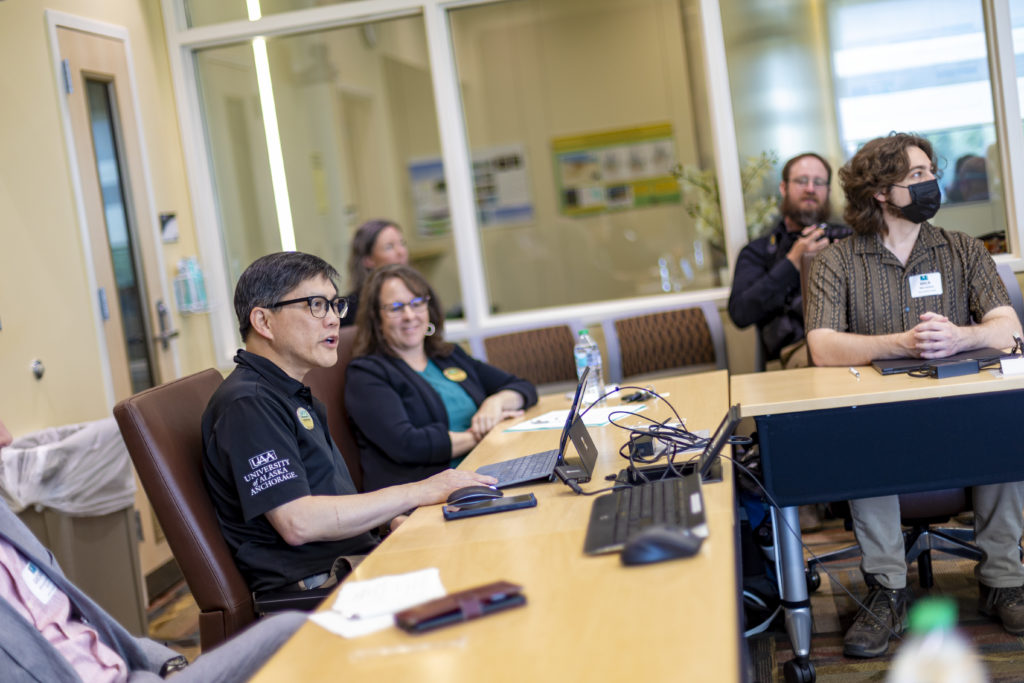
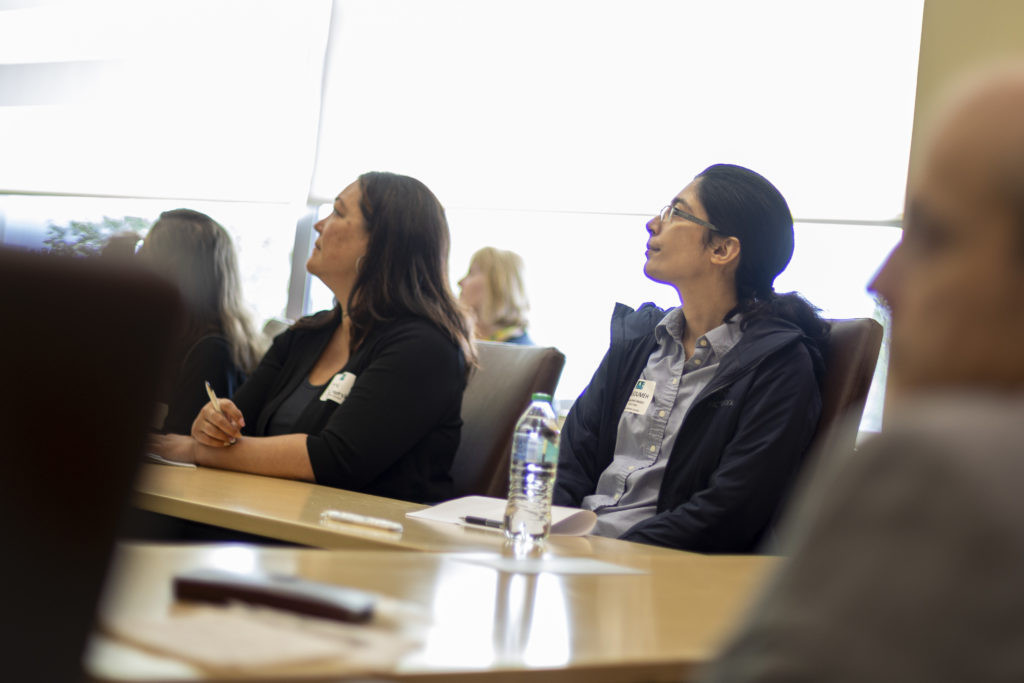
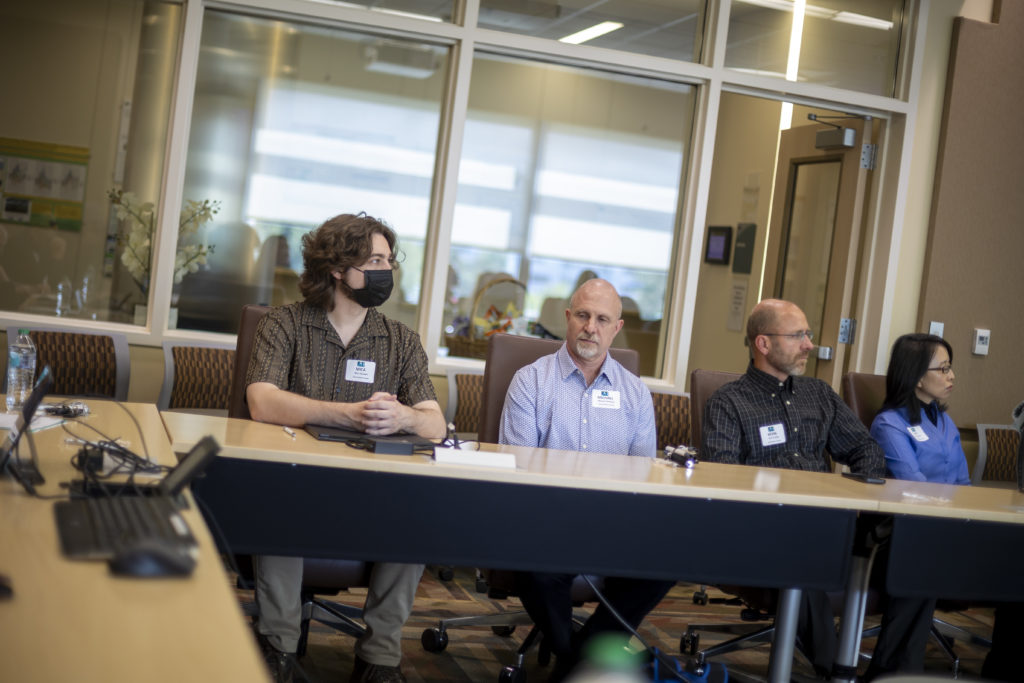
Event Photos
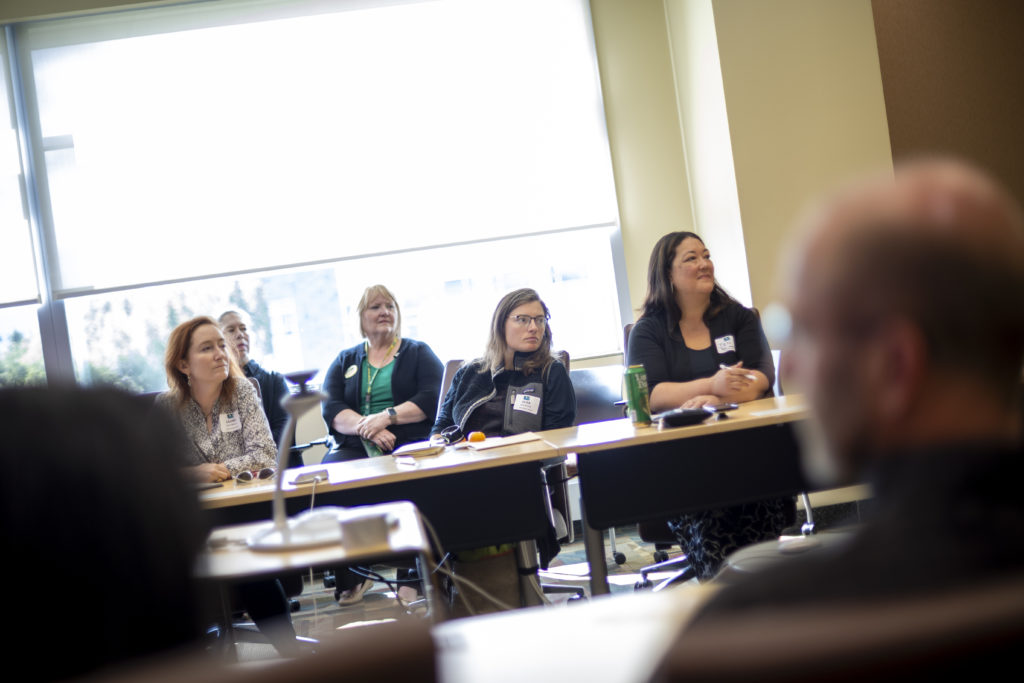
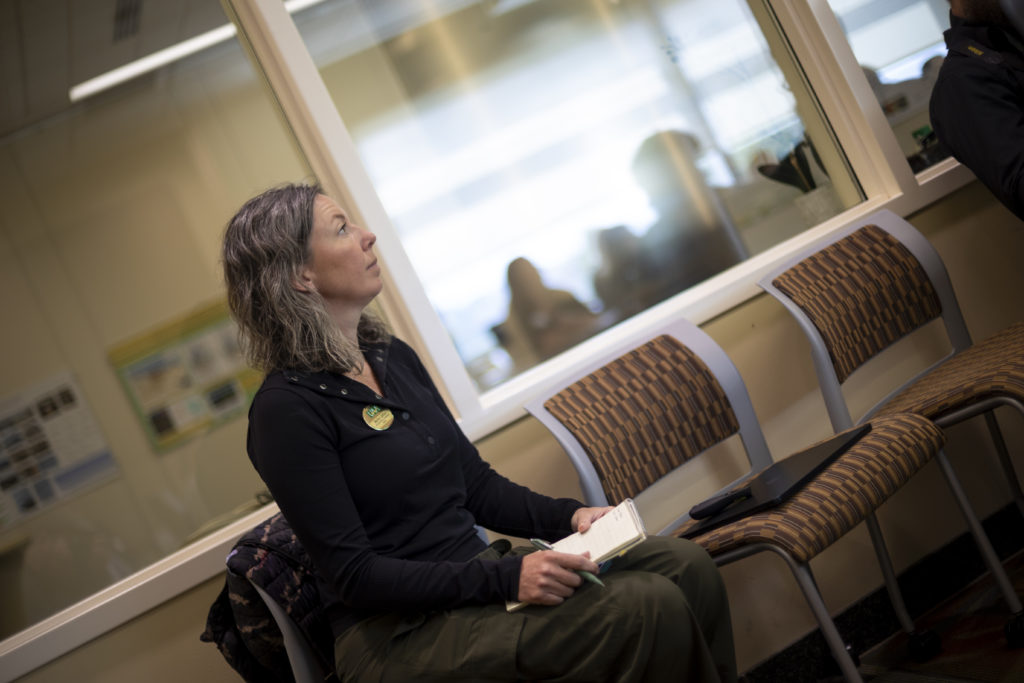
Goal 1
Goal 2
Goal 3
Frequently Asked Questions
The Alaska AI Solutions Consortium, hosted by the University of Alaska Anchorage (UAA) College of Engineering (CoEng), is a collaborative initiative to advance artificial intelligence (AI) research and applications tailored to Alaska’s unique challenges. It brings together academic researchers, industry partners, and community stakeholders to develop innovative AI solutions in areas such as energy, healthcare, transportation, and environmental sustainability. The consortium leverages UAA’s expertise, including its new Master of Science in Artificial Intelligence, Data Science, and Engineering program, to address real-world problems in Alaska and beyond.
Alaska AI Solutions Consortium is actively working on developing opportunities for collaboration. Interested parties are encouraged to monitor the consortium’s official page and the UAA College of Engineering LinkedIn for updates and the upcoming RFP.
Yes, the Alaska AI Solutions Consortium focuses on a broad range of AI technologies beyond Large Language Models (LLMs). The consortium’s work includes areas such as computer vision, genetic algorithms, machine learning, and data science applications tailored to Alaska’s needs, such as improving energy infrastructure, healthcare, and climate change solutions. For example, projects like the Foundations for Improving Resilience in the Energy Sector Against Wildfires on Alaskan Lands (FIREWALL) utilize AI to enhance power grid resilience, demonstrating a focus on diverse AI methodologies.
The consortium supports interdisciplinary AI projects addressing Alaska-specific challenges, including energy infrastructure, healthcare, transportation, and environmental sustainability. Examples include AI-driven solutions for wildfire risk mitigation, permafrost monitoring, and health improvements for Alaska Native communities. Projects often involve collaboration between UAA’s faculty, students, and external partners.
The consortium welcomes participation from a diverse group, including industry professionals, government entities, community organizations, and UAA students and faculty. It encourages involvement from individuals with varied academic backgrounds to foster interdisciplinary AI solutions.