
Unveiling Hearing Loss Through Speech
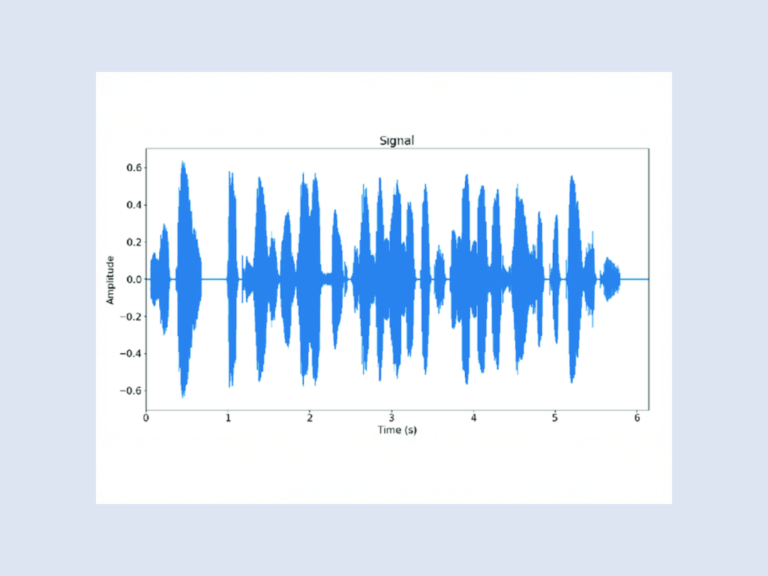


Decoding Auditory Challenges by Analyzing Speech Patterns
The study's primary objective was to investigate whether speech patterns could serve as indicators of hearing loss and if so, to what extent they could identify the nature of the impairment. By analyzing speech recordings, the research team sought to determine how varying degrees of hearing ability influence the pronunciation and articulation of words.
Key findings from the study revealed that when hearing loss significantly impacts speech intelligibility, certain distinctive patterns emerge in an individual's speech. These patterns can provide valuable insights into the specific auditory challenges faced by the speaker. This discovery opens up new possibilities for early detection and more targeted interventions in hearing loss management.
To facilitate further research in this field, the team has compiled an extensive collection of speech recordings. This valuable resource includes standardized passage readings from both hearing individuals and those with hearing impairments.
The implications of this research are far-reaching, potentially impacting how we approach hearing loss diagnosis and treatment. By understanding the subtle ways in which hearing impairment manifests in speech, healthcare professionals may be able to develop more accurate and less invasive diagnostic tools. Additionally, this knowledge could lead to more personalized and effective rehabilitation strategies for individuals with hearing loss.
Frequently Asked Questions
The main objective is to investigate whether a person's speech patterns can indicate hearing loss and if so, to what extent these patterns can reveal the nature of the hearing impairment.
The study found that when hearing loss significantly affects speech intelligibility, certain patterns in speech can reveal specific auditory challenges. This suggests that speech analysis could potentially be used as a tool for identifying hearing loss.
The research involved analyzing speech recordings to determine how hearing ability influences the way words are spoken. A collection of speech recordings from both hearing and deaf individuals reading standardized passages was created and analyzed.
This research could lead to the development of new diagnostic tools for hearing loss, more personalized rehabilitation strategies, and improved early detection methods for auditory impairments.
Yes, the research team has created a collection of speech recordings, including both hearing and deaf individuals reading standardized passages, to support further research in this field.
This research could lead to more accurate diagnoses, better-tailored treatment plans, and improved rehabilitation strategies for individuals with hearing loss, potentially enhancing their quality of life and communication abilities.
The project is led by Masoumeh Heidari Kapourchali.