
Enhancing Crash Classification through Attention-based Models


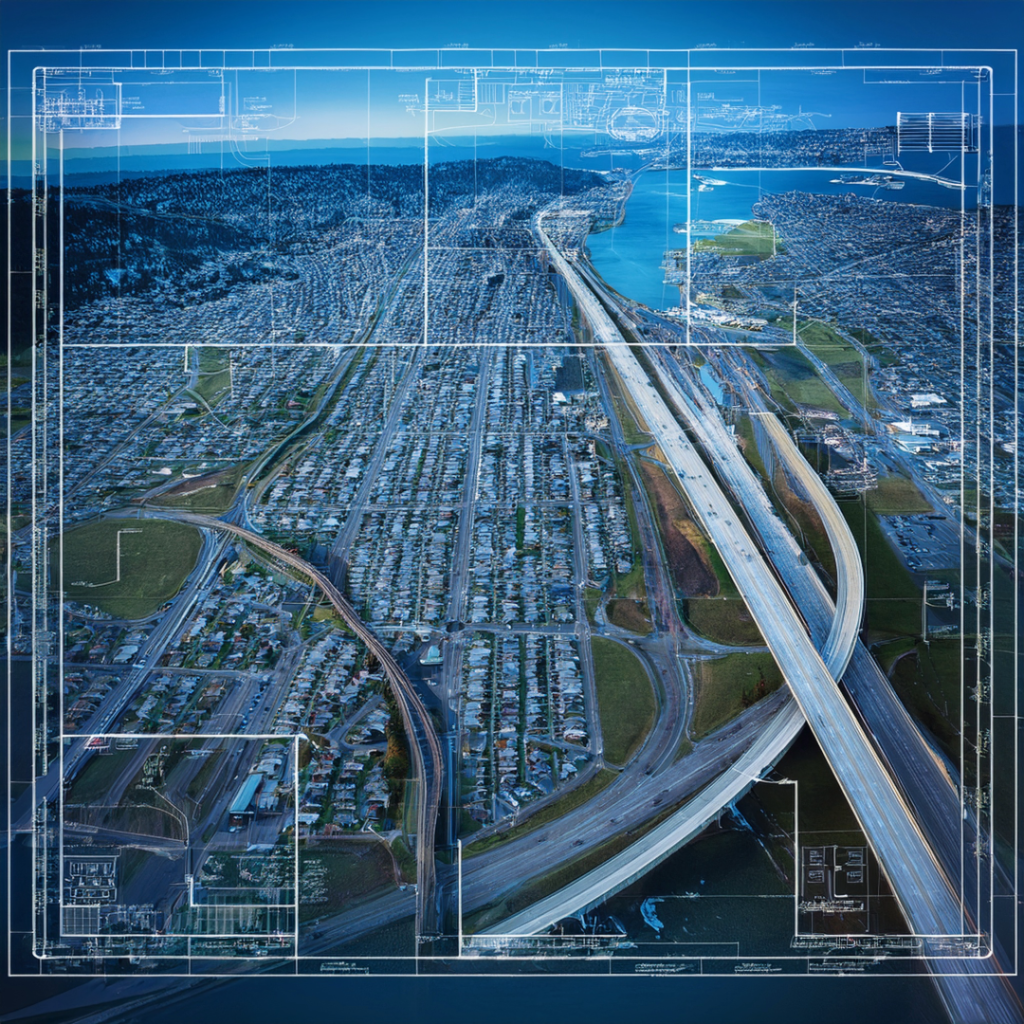
Enhancing Crash Classification through AI: Building Safer Roads for All
Our approach focuses on developing attention-based models that prioritize key causal factors and their interactions. This enables us to evaluate high-risk scenarios dynamically and with greater accuracy. The insights derived from this analysis are integrated into a dynamic risk map—a powerful tool designed to identify high-risk areas and predict potential accident locations in real-time.
This risk map serves as a resource for drivers, including those with specific needs, and city planners, empowering them to make safer decisions about road use and urban development. By proactively addressing traffic safety challenges, this project aims to enhance mobility and reduce accidents, creating safer transportation networks for everyone.
The project is led by Masoumeh Heidari Kapourchali and represents a significant step forward in using AI for transportation safety.
Frequently Asked Questions
The primary objective is to enhance traffic safety by improving crash classification and prediction through AI-driven attention-based models. We aim to identify key causal factors and their interactions in traffic accidents to create safer transportation networks.
We utilize advanced machine learning techniques, specifically attention-based models, to analyze traffic data. These models help us identify patterns in vehicle behavior, road conditions, and driver distractions that contribute to accidents.
The dynamic risk map is a tool we're developing that integrates our AI-driven insights. It will identify high-risk areas and predict potential accident locations in real-time, helping drivers and city planners make safer decisions.
This project is funded by the Pacific Northwest Transportation Consortium (PacTrans).
The Pacific Northwest Transportation Consortium (PacTrans) is a Regional University Transportation Center (UTC) for Federal Region 10, led by the University of Washington (UW). The consortium currently includes six colleges and universities:
- University of Washington (UW)
- Northwest Indian College (NWIC)
- Portland State University (PSU)
- University of Alaska, Anchorage (UAA)
- University of Idaho (UI)
- Washington State University (WSU)
The benefits extend to various groups, including:
- All drivers, especially those with specific needs
- City planners and urban developers
- Transportation safety officials
- The general public through improved road safety
You can find more details on the official PacTrans project page: Enhancing Crash Classification through Attention-based Models
By providing detailed insights into high-risk areas and potential accident locations, this research will inform urban planners in designing safer road networks and implementing more effective traffic management strategies.
This project leverages cutting-edge AI and machine learning techniques, particularly attention-based models, to provide more accurate and dynamic insights into traffic safety factors. This approach allows for a more nuanced understanding of the complex interactions between various factors contributing to accidents.